
As-Salt or Al-Salt, the capital of Balqa Governorate northwest of Amman, is one of Jordan’s most important historic and urban centers. It lies on the green slopes of the Balqa hills, close to the Jordan Valley and Wadi Shueib, which gives it a mild climate and distinctive natural vistas. Its population is about one hundred thousand, and it is known for its cohesive social fabric and deep-rooted history as a link between the Jordan Valley and the inland plains.
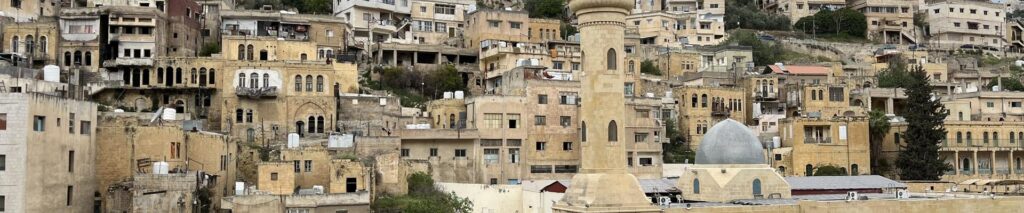
Historically, Al-Salt played a pivotal role during the late Ottoman period in the late 19th and early 20th centuries, flourishing as an administrative and commercial hub and attracting mercantile and educational families that contributed to its rise. Its signature yellow “royal” limestone architecture embodies a unique urban heritage, which led to Al-Salt’s inscription in 2021 on the UNESCO World Heritage List as “As-Salt: The Place of Tolerance and Urban Hospitality,” in recognition of its social harmony, traditions of hospitality, and embodiment of tolerance across its religious and cultural components.
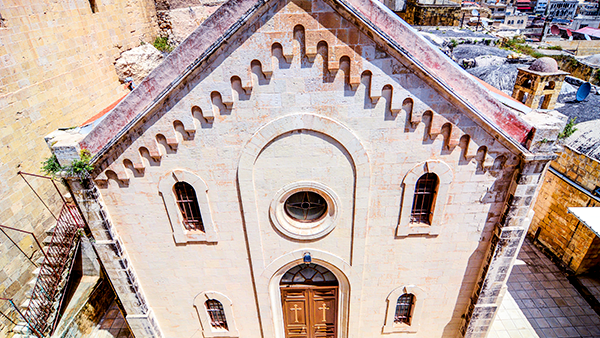
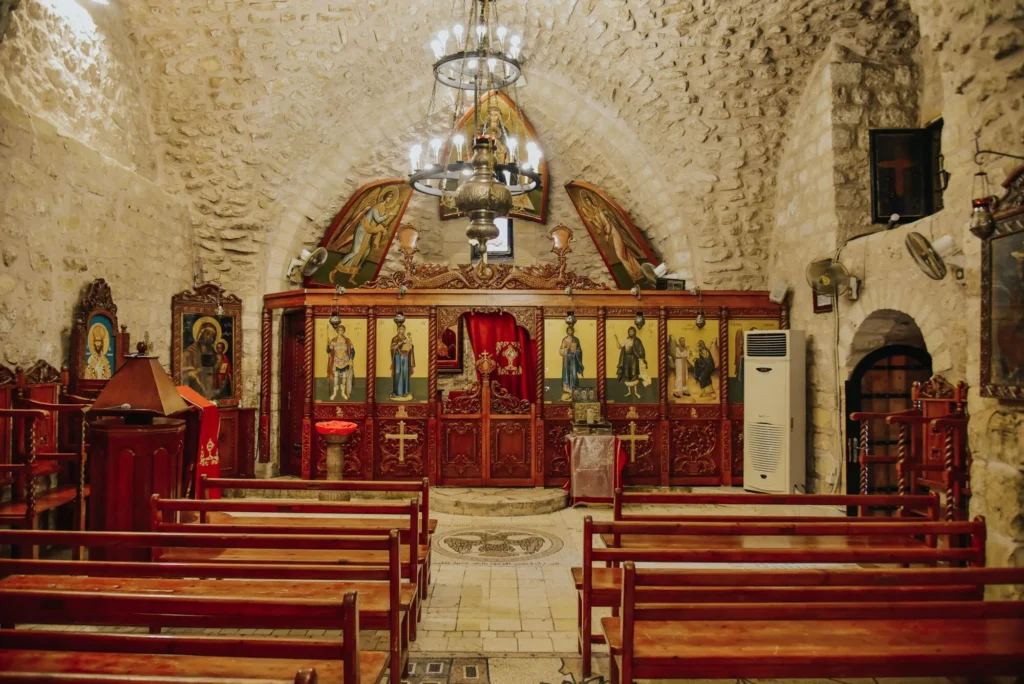
In its urban form, Al-Salt spreads across terraced hills, squares, and tightly knit houses built of local limestone, with narrow streets and stairways connecting the old neighborhoods to the markets. It is renowned for its historic houses such as Beit Abu Jaber, which today houses a museum introducing the city and its heritage, alongside religious and cultural landmarks and traditional markets that still bustle with life. Urban tourist “trails,” such as the Harmony Trail, offer rich experiences for exploring alleys, houses, stairways, and old shops.
Al-Salt’s economy is built on a mix of public services, education, healthcare, and local commerce, along with small and medium enterprises in food industries and traditional crafts. It is surrounded by agricultural lands producing olives, grapes, figs, and dairy products, supporting forms of rural and culinary tourism. The city also hosts Al-Balqa Applied University, a pillar of technical education that supplies the labor market with skills.
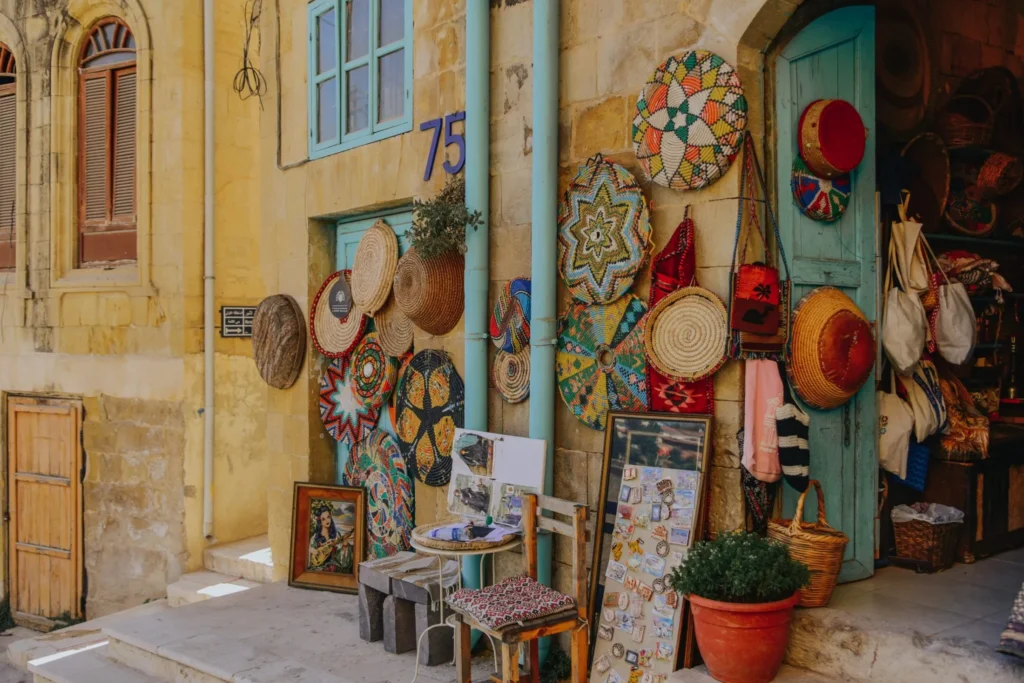
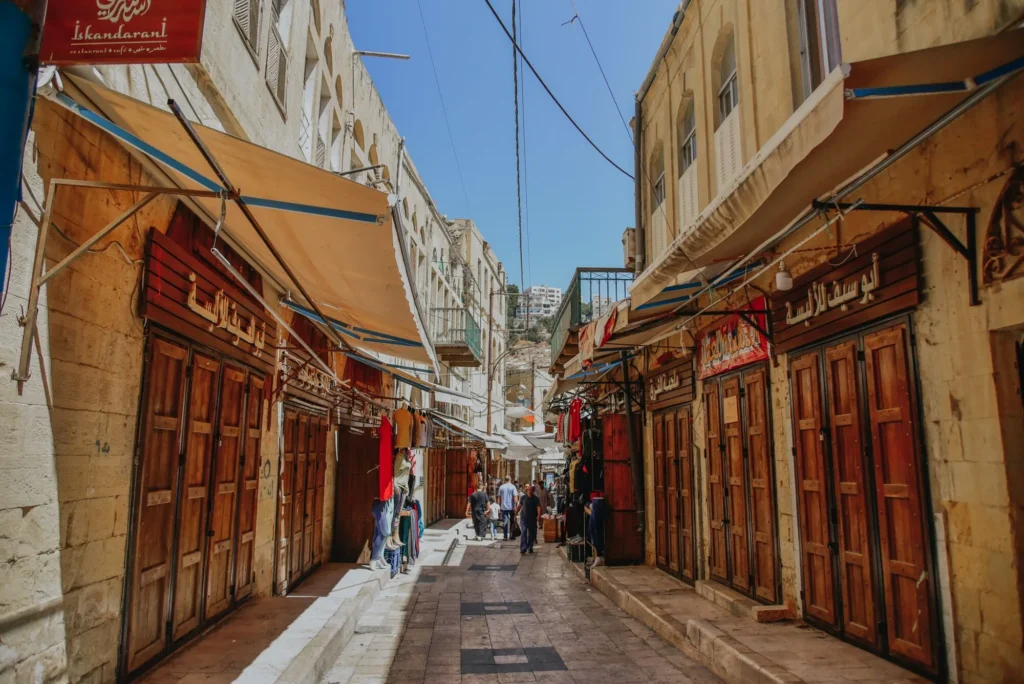
Culturally and socially, Al-Salt is known for coexistence between Muslims and Christians and for community life centered on family ties, neighborhood bonds, and guesthouses. It enjoys a rich heritage scene that includes traditional cuisine, handicrafts, religious celebrations, and social occasions, alongside civic initiatives to preserve historic buildings and adaptively reuse them for cultural and tourism purposes.
For tourism, Al-Salt is an emerging destination for lovers of heritage architecture and authentic local experiences, with easy links to nearby attractions such as the Dead Sea, Wadi Shueib, and the Jordan Valley. Road infrastructure connects it to Amman in about half an hour, while municipalities and relevant agencies are working to improve the urban landscape and visitor services.
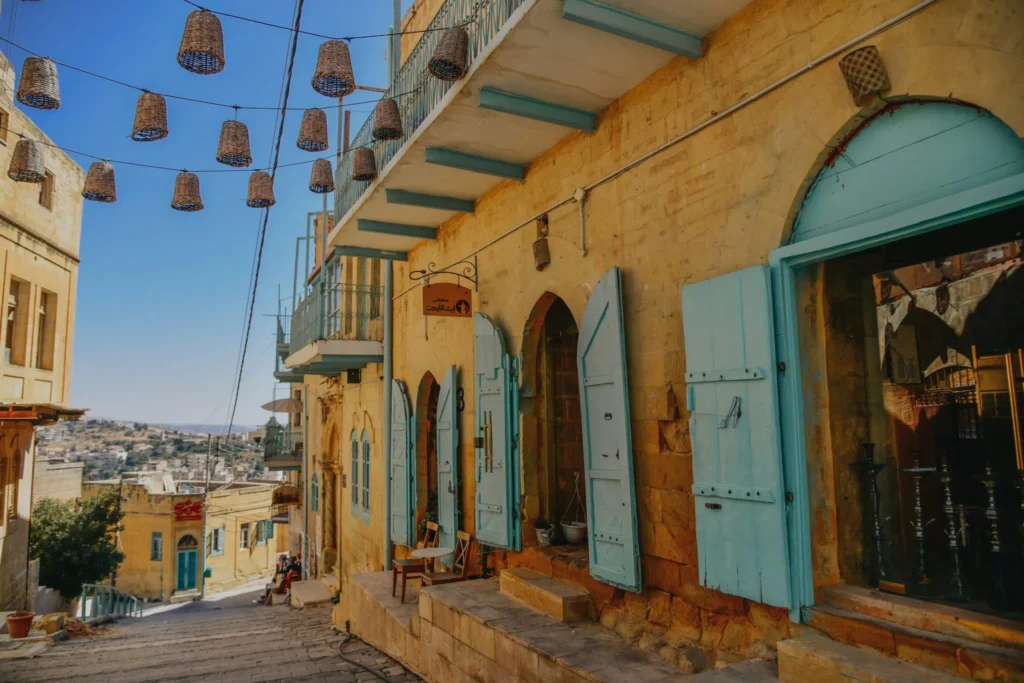
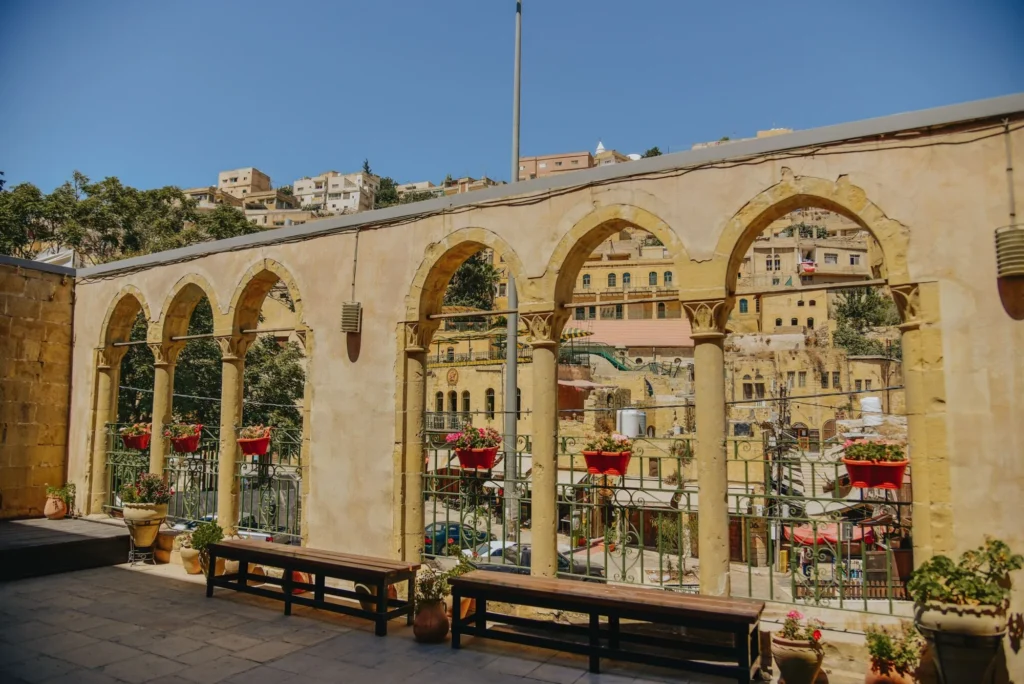
Al-Salt faces urban challenges, including congestion in the historic core, the need for sustainable restoration of old buildings, and expanding youth employment opportunities while preserving identity. However, its World Heritage inscription opens wide opportunities for investment in cultural and creative tourism, strengthening the local economy by updating crafts, developing walking trails, and launching community awareness programs.
In sum, Al-Salt combines a distinctive architectural and human heritage with beautiful natural surroundings and a promising local economy, making it a model of a historic Jordanian city looking toward a prosperous future built on heritage conservation, quality-of-life improvements, and the development of responsible, sustainable tourism.